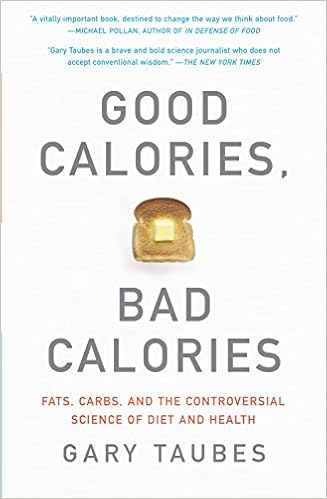
Good Calories, Bad Calories
📅 Finished on: 2022-03-28
Carbohydrates and sugars cause more problems than fats
Book read by Thomas Frank, I couldn’t finish it, also because 600 pages making the same point wore me out. In short: it is not fats that cause heart disease and cancer, but carbohydrates, and the author presents a large number of studies on this. I trust the evidence; I wish it had been a lighter read, I would have understood more. Cut carbs.
Keypoints:
-
Dietary fat, whether saturated or not, does not cause heart disease.
-
Carbohydrates do, because of their effect on the hormone insulin. The more easily digestible and refined the carbohydrates and the more fructose they contain, the greater the effect on our health, weight, and well-being.
-
Sugars, specifically sucrose (table sugar) and high-fructose corn syrup, are particularly harmful. The glucose in these sugars raises insulin levels; the fructose they contain overloads the liver.
-
Refined carbohydrates, starches, and sugars are also the most likely dietary causes of cancer, Alzheimer’s disease, and the other common chronic diseases of modern times.
-
Obesity is a disorder of excess fat accumulation, not overeating and not sedentary behavior.
-
Consuming excess calories does not cause us to grow fatter any more than it causes a child to grow taller.
-
Exercise does not make us lose excess fat; it makes us hungry.
-
We get fat because of an imbalance, a disequilibrium, in the hormonal regulation of fat tissue and fat metabolism. More fat is stored in the fat tissue than is mobilized and used for fuel. We become leaner when the hormonal regulation of the fat tissue reverses this imbalance.
-
Insulin is the primary regulator of fat storage. When insulin levels are elevated, we stockpile calories as fat. When insulin levels fall, we release fat from our fat tissue and burn it for fuel.
-
By stimulating insulin secretion, carbohydrates make us fat and ultimately cause obesity. By driving fat accumulation, carbohydrates also increase hunger and decrease the amount of energy we expend in metabolism and physical activity.
-
The fewer carbohydrates we eat, the leaner we will be.