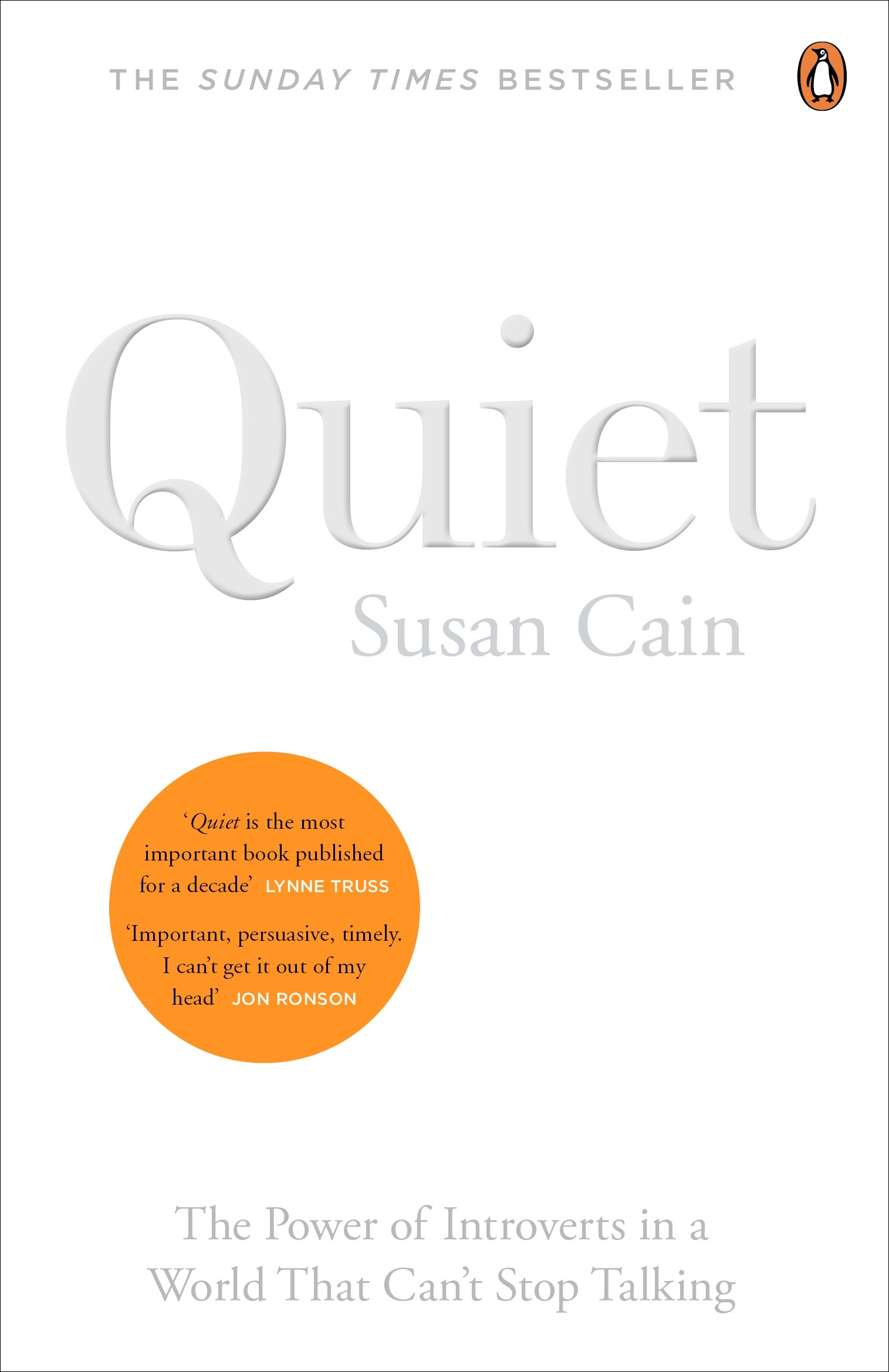
Quiet
📅 Finished on: 2025-07-18
📢 Communication
🧠 Psychology
⭐️⭐️⭐️⭐️
Be yourself. In a world that favors extroverts, there is nothing wrong with understanding that and learning to put yourself out there intentionally. We need to do it.
A guide for introverts, recommended by Lenny Podcast. It seems interesting and useful for my personality.
Good read. Slightly long; I skimmed a few sections at the end, but you can tell the author put her heart into it and heard many different points of view. I related to it a lot, both historically and theoretically, and on the practical side. Society disadvantages introverts, but you can “change,” grow, and face this unfair view by understanding there is nothing wrong with who we are.
Notes
- If there is only one insight you take away from this book, I hope it’s a newfound sense of entitlement to be yourself.
- Critique of Carnegie and his “tricks”: how did we end up needing these strategies to communicate? The world unfortunately works like this and he succeeded as an extrovert. Think of salespeople.
- We tend to follow those who take charge and go into command - extroverts.
- We need leaders.
- Interesting research: in a group you can be less productive because there is usually one extrovert who takes over. This goes against what is taught at school.
- We should seek intro-extro symbiosis, feeding each other in a healthy mix.
- Concept of high-reactive kids: introverts may be highly reactive and take time, examining, before making a decision. They are more likely to do the right thing.
- But watch out, any behavior can have multiple causes. Don’t oversimplify.
- Orchid theory: some children are like dandelions that grow in any environment. But high-reactive kids are more fragile: they do very well or very poorly depending on how they are raised.
- Important: we can stretch our personalities a bit, but only up to a point. Then we cannot change who we are.
- Find your sweet spot: know when you need to be alone, but also when to put yourself out there and meet people. Example: go out in the evening but don’t stay out late. It should be that point where you are effectively stimulated without getting too tired, and not isolating yourself.
- Interesting stories from the Harvard environment, Robbins seminars, introvert seminars, various scientists. Covered in depth.
- Introverts hit the brakes a lot: when something happens they stay alert for the catch.
- Introverts need to understand their instincts and share their ideas strongly. Quiet is fine, but be decisive. Keep your style.
- Cultural difference: in Asia people value silence and struggle in more extroverted European cultures.
- In business you need to present yourself or you won’t move forward. Obviously it’s easier for extroverts.
- But interestingly, introverts can pretend to be extroverts in the domains that suit them (work, passions). So it is doable.
- Free trait theory: accept that we will go out of character for a while when needed, in exchange for being ourselves most of the time. Example of an agreement: go out to dinner with your partner half the time, and spend the other half at home. You make a deal.
- Intro-extro couple analysis. I get it: she thinks he is too aggressive, he thinks she says nothing.
- Fable of the snake: he stops biting, she starts to hiss. It is OK to have made a mistake without getting angry, and it is OK to signal that something is wrong without arguing.
- Introverts relate to other people. Of course they do. They just do it in their own way.
- In the end introverts react to novelty. So to feel calm, you need to expose yourself and get used to novelty so it does not overstimulate. Especially important for children - expose them gradually.
Final blueprint (last chapter)
- Love deeply; close relationships matter more than being social with everyone
- Choose quality over quantity in both friendships and work collaborations
- Use your natural introvert strengths, focus, insight, persistence, to do meaningful work
- Step outside your comfort zone when needed, but respect your need for solitude
- Spend your free time the way you enjoy, not the way others expect
- Support quiet children by helping them adapt without forcing them to change
- Encourage passions over popularity, originality and depth matter more than fitting in
- Teachers: don’t overlook the quiet, focused students, they are often the future creators
- Managers: design workplaces that give introverts space to think and recharge
- Don’t confuse loudness or charisma with good ideas or strong leadership
- Creativity thrives when individuals think first, then collaborate - avoid groupthink
- People who seem reserved may be thinking, imagining, creating - respect their inner world
- We all have different kinds of power - know yours, and use it well