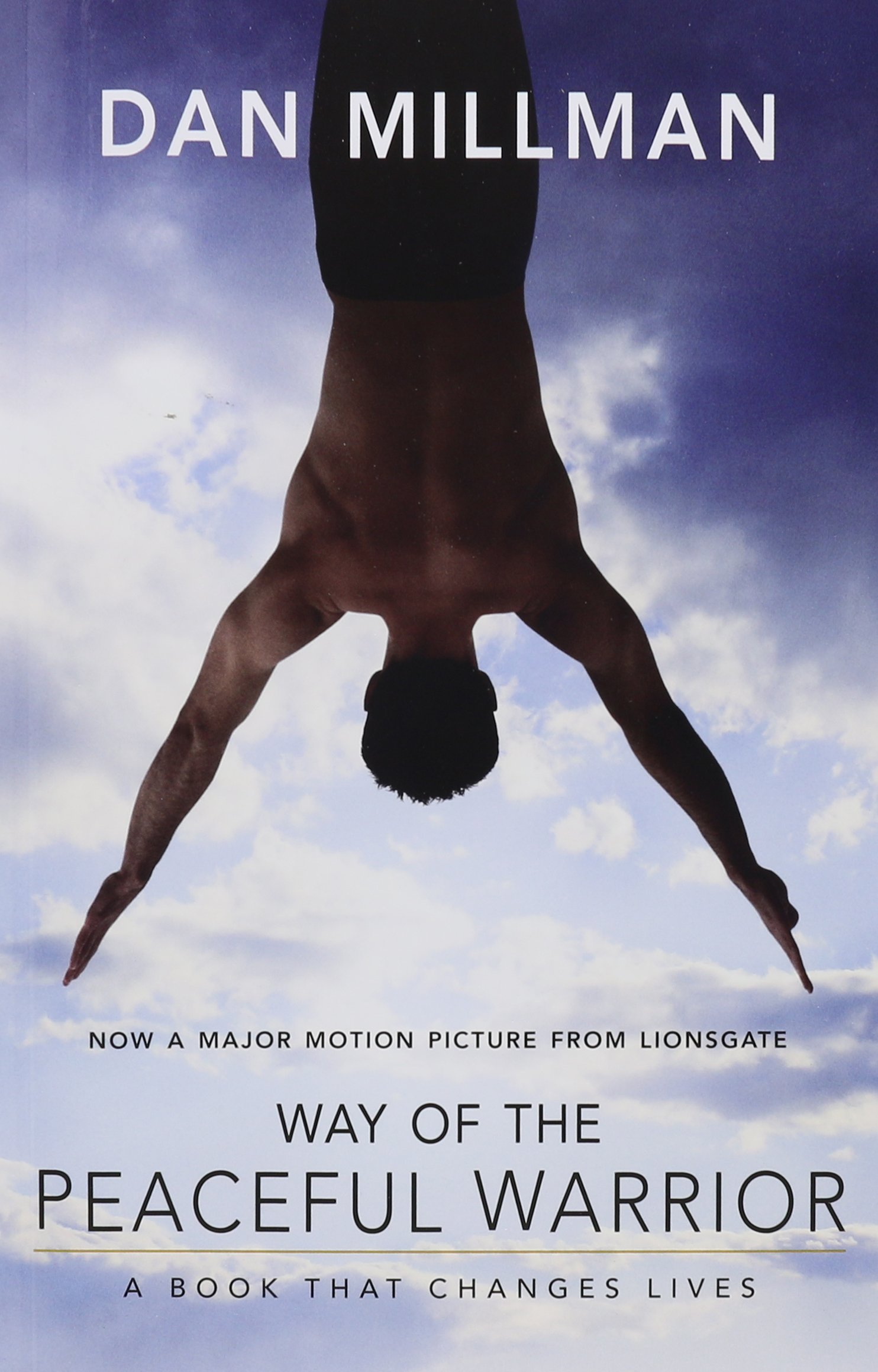
The Way of the Peaceful Warrior
📅 Finished on: 2020-11-26
There are no ordinary moments! The way of the peaceful warrior is to appreciate every moment, regardless of how dull or ordinary it may seem. Live in the present.
Suggested by Jeff Olson in the Slight Edge, it is his favorite book.
So, I agree with the comments on Goodreads: it could change someone’s life, definitely, and it has interesting lessons. The problem is that it is written in a chaotic way, leaving many open questions and with jarring logical jumps. I didn’t mind it too much, the reading was quick, but in the end I close it and think “and so?”; a bit too philosophical and not very practical for me and, to top it off, the final sequence where he seems to waste all his training by wandering for 6 years in the mountains. I guess Millman put passion into it and I’m glad it was successful, but I would have preferred a different writing style, because there are lessons worth keeping.
Notes
- “Life brought rewards, but no lasting peace or satisfaction.” Interesting description of the “void” that accompanies us, that never leaves us satisfied.
- I won’t paraphrase the line, I can’t find it, but Socrates says something beautiful: “to live happily you must satisfy your desires; you can be rich and have everything, or be content with little”.
- Happiness can only come from inside. Very true
- “Calm the sounds in your head.” Dan uses gymnastics, but Soc recommends meditating a lot
- Take out the trash. Clear your mind of everything you don’t need (doubt, past failures, future victories, … etc.)
- “Where are you? … HERE” “What time is it? … NOW” “What are you? … THIS MOMENT.” The past is gone, you always live in the present without worrying about the future
- “A warrior does not give up what he loves, Dan. He finds the love in what he does.”
- In short, although the book is scattered, here is my final interpretation: Socrates lives life with happiness, humor, and lightheartedness, poking fun at the “unawareness” of ordinary people, who despair over things that have passed or that may happen in the future. He focuses on himself, on being happy with the small daily moments, which are always unique and unmissable, and on rigorous self-care, starting with meditation. I love how he challenges Dan’s unwarranted anger, and how problems seem to bounce off him: he is a tree that bends in the wind, not one that stays rigid. In the end, it is an entertaining, not very practical philosophical read that others might enjoy.